Jr. Ucayali 391, Lima, Perú
204-2658
[email protected]
Archive
SANTIAGO
The transformations of the son of thunder
SANTIAGO
The transformations of the son of thunder
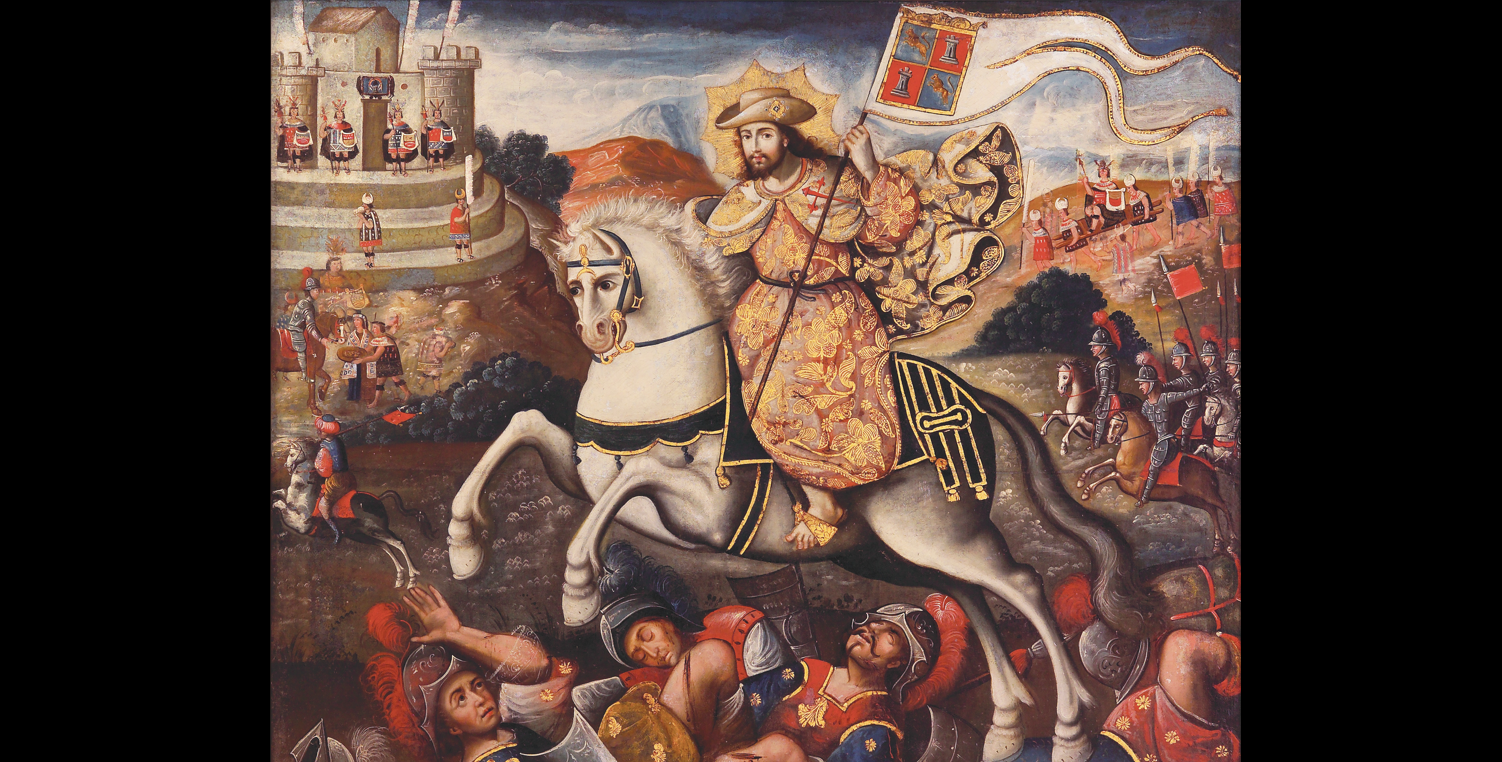
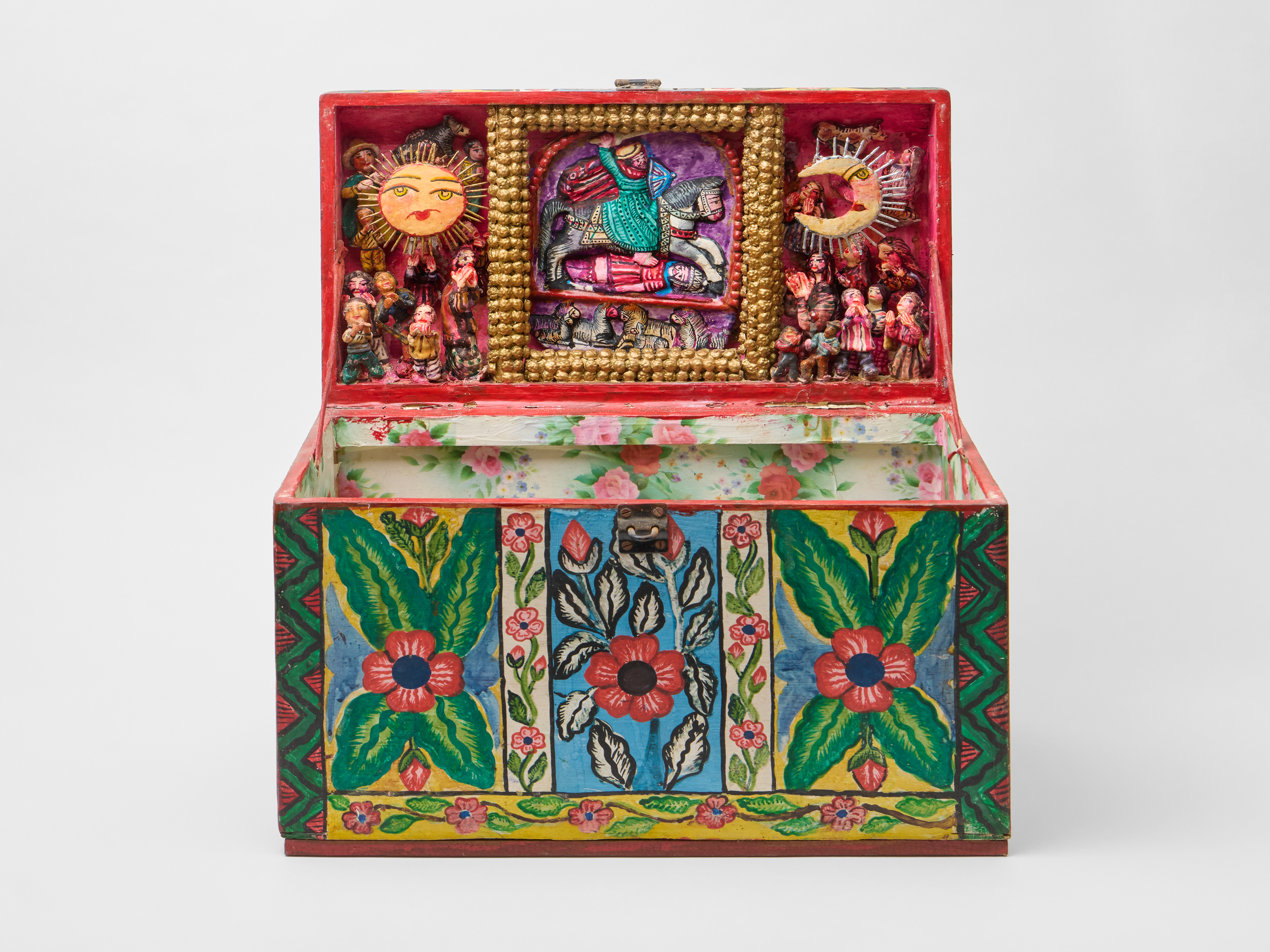
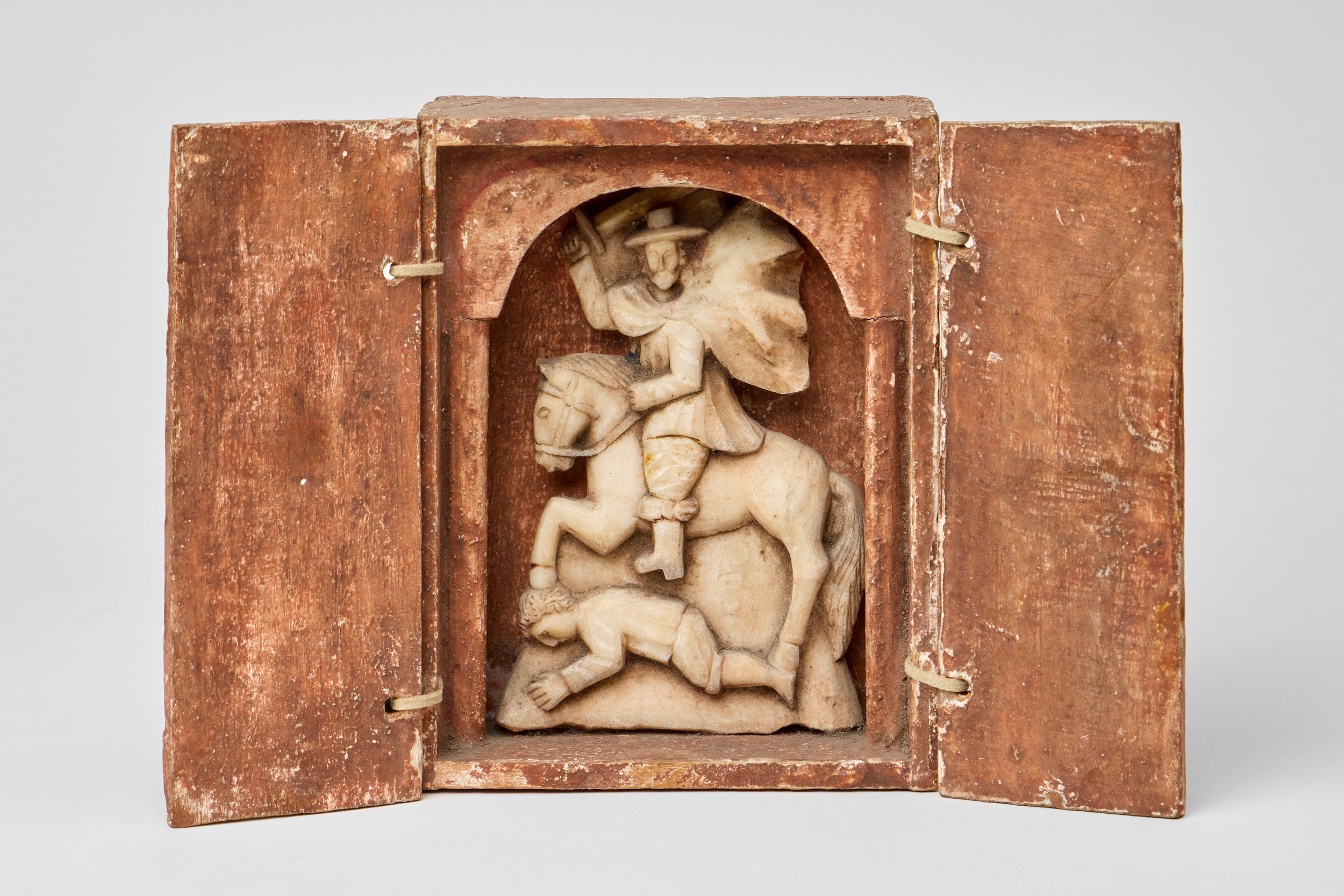
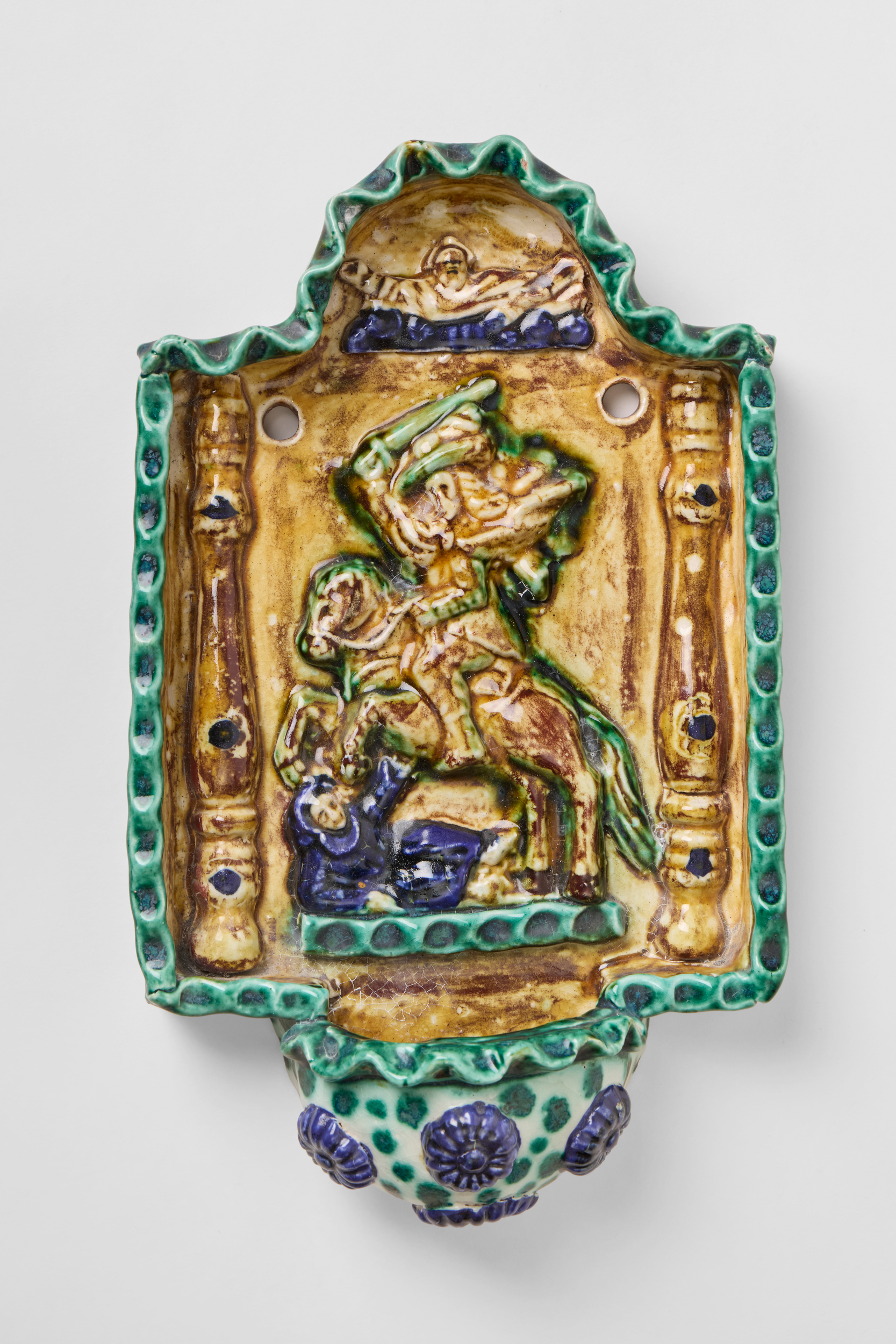
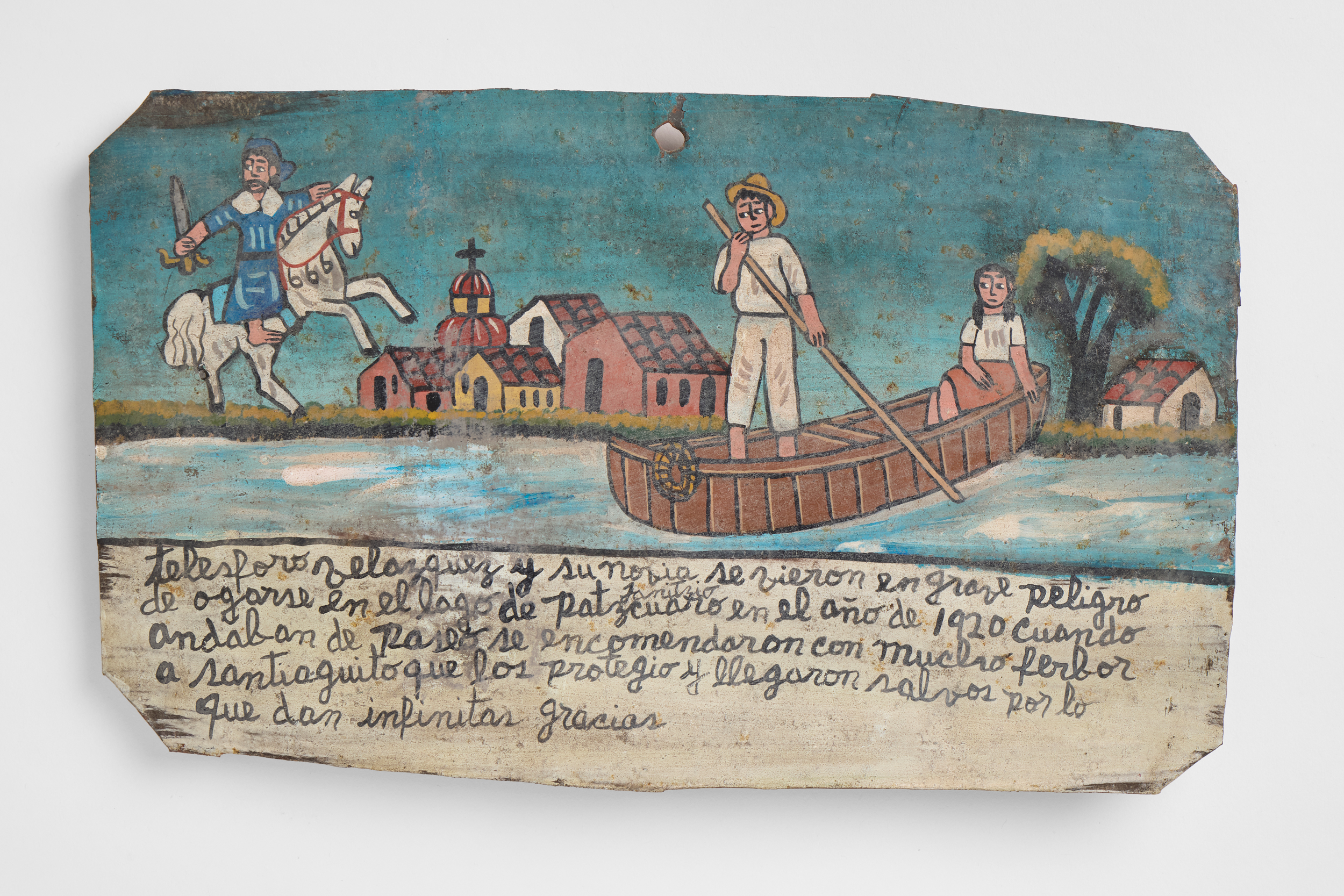
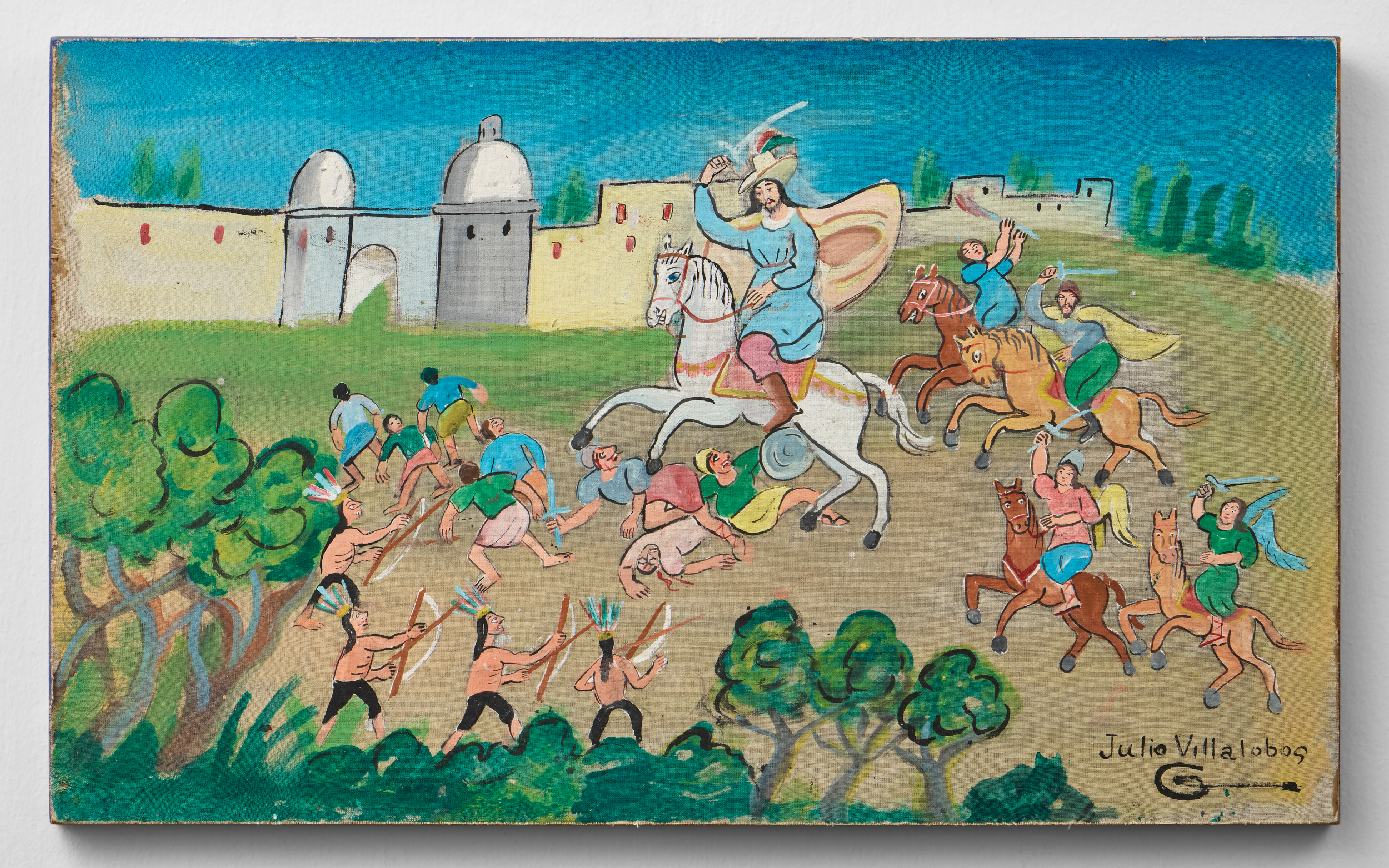
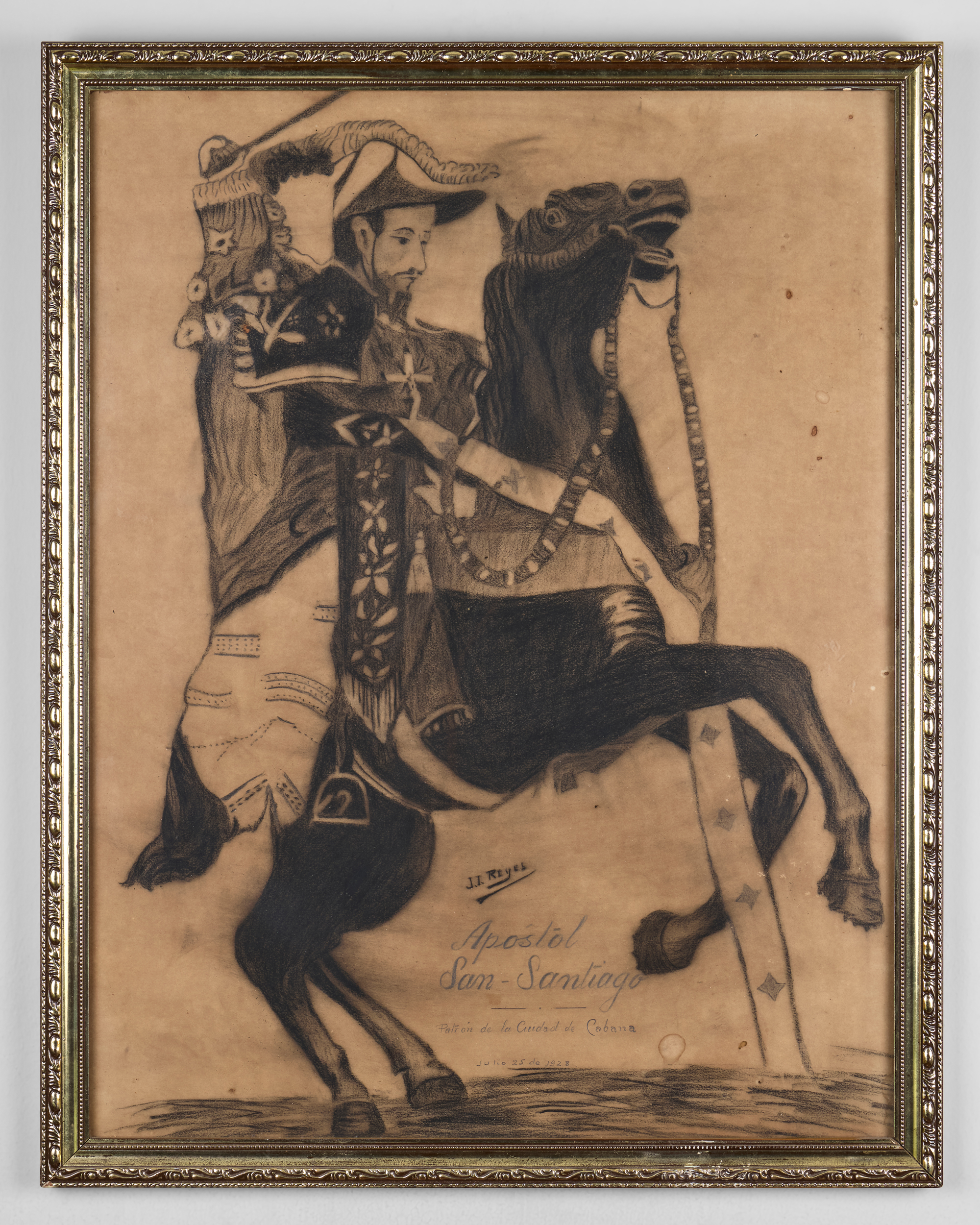
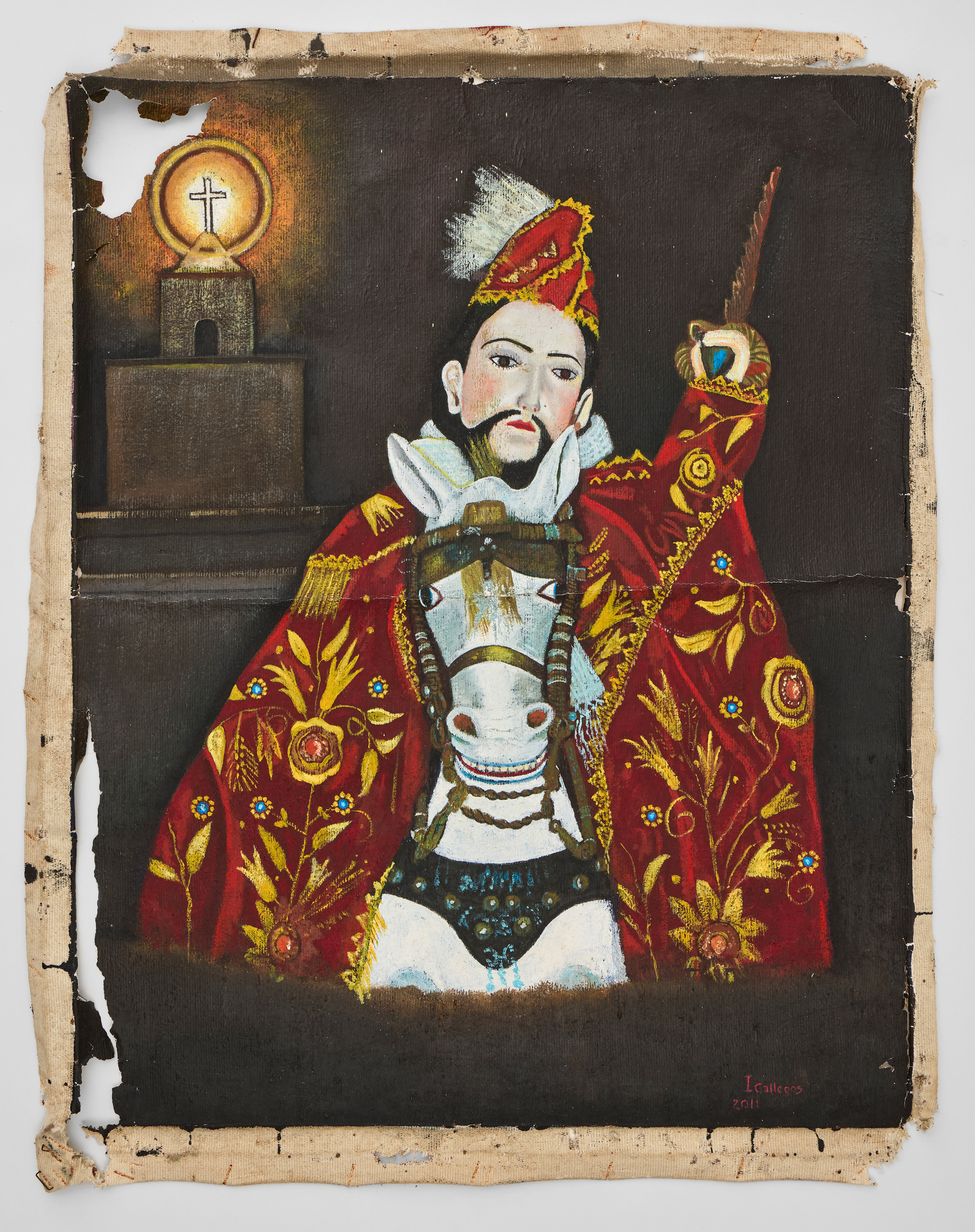
Saint James the Greater, one of the twelve apostles, known as the “son of thunder” for his energetic temperament, was born into the European imagination as a pilgrim; his staff, shell and cloaked hat inscribe the iconography of the character on the route to Compostela as a figure of protection and guidance rather than battle. The decisive change occurs when he becomes a warrior, an image forged in present-day Spain as Matamoros; and, upon arriving in America, as an emblem of conquest, of the legitimisation of Spanish rule. The third core shifts the focus from the battlefield to the pastures and rains of the central highlands. The patron saint is reinterpreted and given new meaning as he becomes the guardian of the cattle associated with Illapa, the Inca god of lightning, thunder and lightning, and talks to the protective spirits and apus as a mediator of fertility. He is a humanised, welcoming and approachable Saint James.
Fotos: Juan Pablo Murrugarra
The exhibition, curated by Karen Bernedo, traces the character’s triple metamorphosis. She points out: “The exhibition does not propose a straight line, but rather a field of tensions where imposition and translation, dogma and practice coexist and dispute meaning. Santiago serves here to problematise faith, syncretism, reappropriation and the cultural resistance of our peoples. From European pilgrim to saint of the conquest and, from there, to the “tayta” of thunder and rain, his figure reveals the Andean power to reinterpret the foreign until it becomes one’s own. In this mutation—from patron of the invasion to mediator of life—we recognise the ritual creativity and memory that still sustain, today, the communities that celebrate the patron saint Santiago in Peru.”
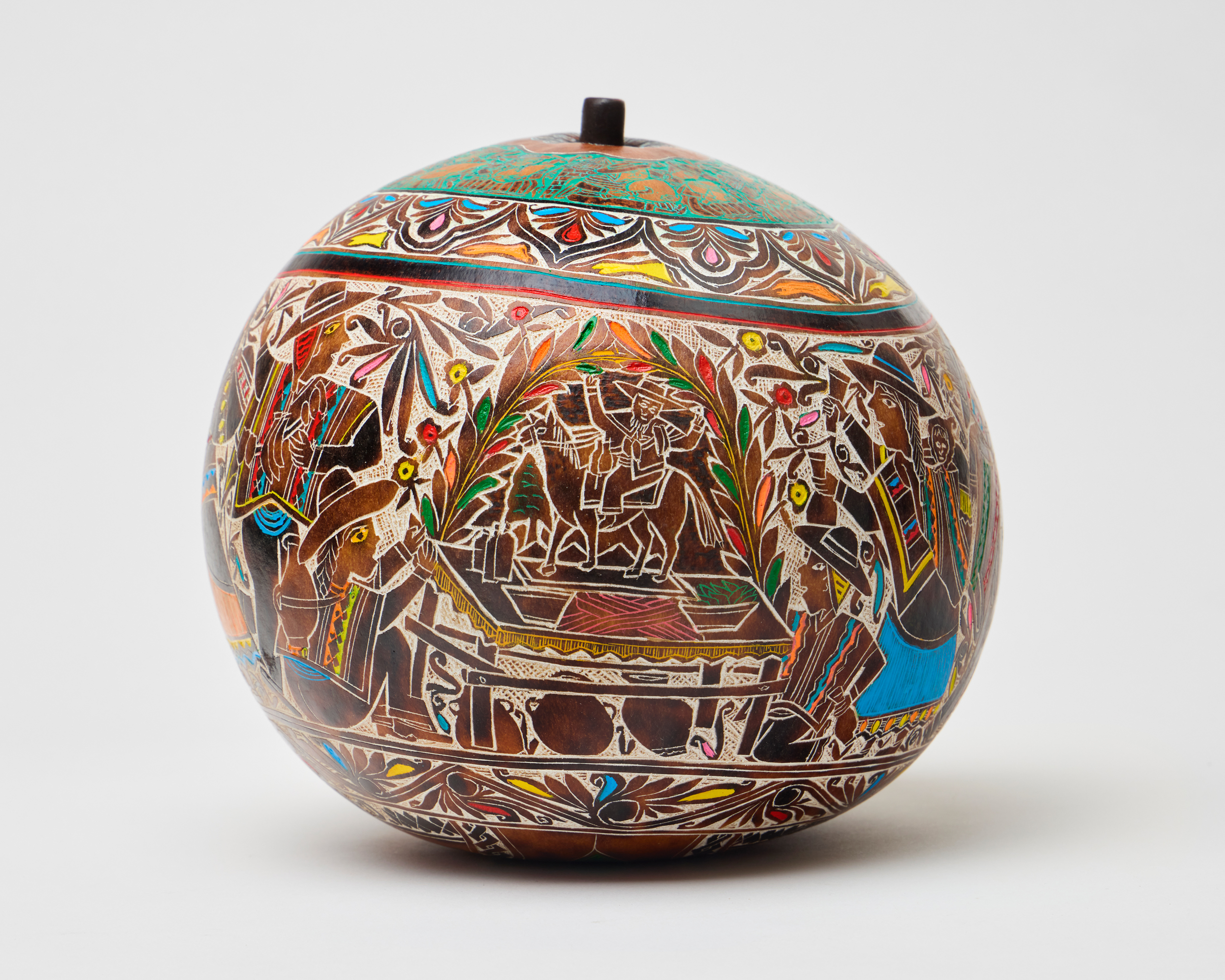
The collection of pieces brought together for this exhibition allows us to follow the iconographic and ritual drift described above through painting, imagery, mates burilados, photography, and various popular and contemporary representations.
Share

Cultural Center activities
Free entry
Folow us




SEGIB’s support is appreciated
Copyright © 2020 Centro Cultural Inca Garcilaso. All rights reserved | Legal notice | Privacy policy | Cookies policy