Jr. Ucayali 391, Lima, Perú
204-2658
[email protected]
Images of modern Peru
Ande Collection
Ande Collection

This is a project of the Ande Collection that reflects on the leading role played by photographic art in the formation of an authentically national visual culture. The images presented here not only had an impact on the local scene, but also on the construction of an idea of Peru from abroad.
As part of the opening, at 12:30 pm, there will be a conversation with the participation of the Curator of the exhibition and Director of the collection Pablo Cruz, the art historian Natalia Majluf, and the researcher Carlos Estela.
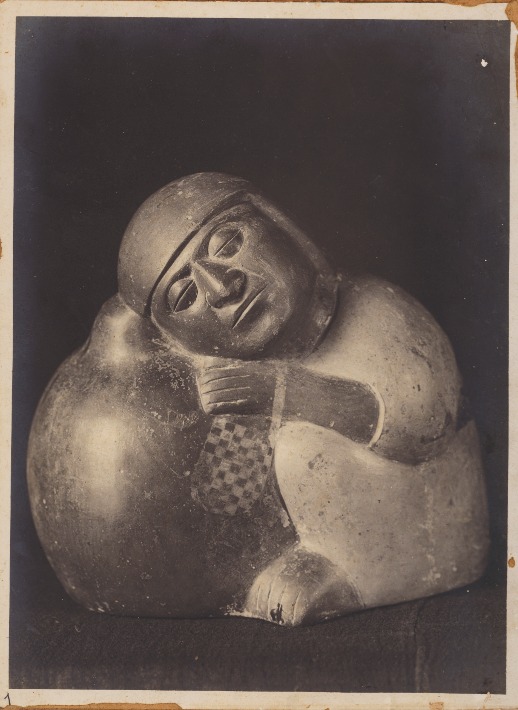
Since its formation in 2018, the collection has gathered around two thousand photographic, artistic, and documentary pieces about our cultural background. The exhibition presents a selection of these pieces representing the ancestral motifs that gave rise to this nation and the transformations that have occurred in the country during its constant process of modernisation.
Despite the complexity of Andean societies, photographic exploration managed to disseminate their unique characteristics in new spaces as a projection of a particular identity. In commercial salons, large exhibitions, publications, journalistic media or through travel albums, images of local customs, views of landscapes, archaeological sites, new buildings, or historical episodes that inserted the country into a global modernity began to spread.
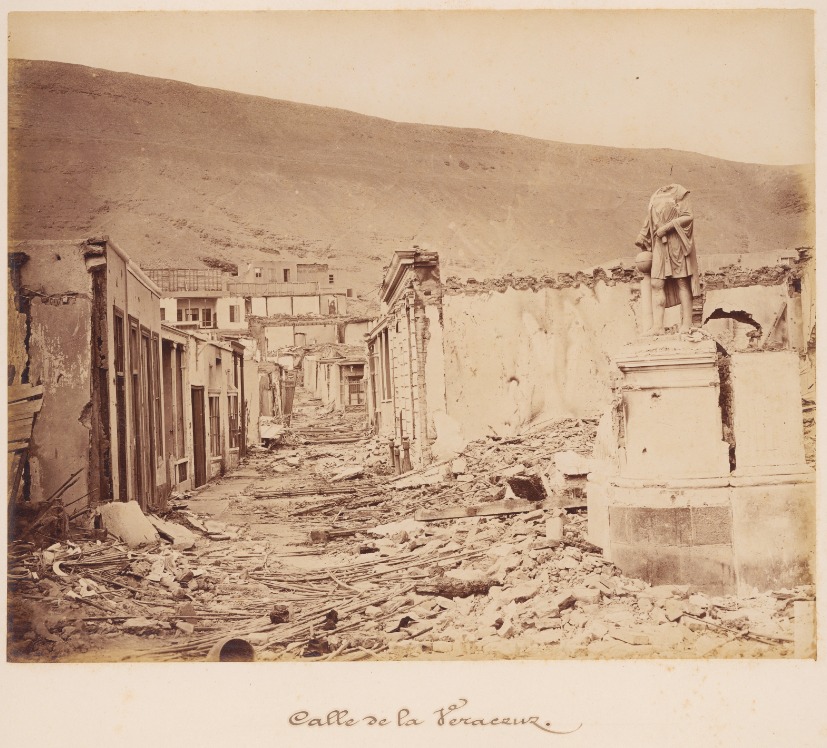
The new visual creators embarked on a race to consolidate photography in the face of other artistic disciplines such as painting. In this sense, the work of the Frenchman Eugenio Courret was fundamental in the visual construction of the country. With a business perspective, but at the same time reflective of the historical and cultural implications of his photographs, he produced important series such as La destrucción de los balnearios de Lima (The destruction of the beach resorts of Lima) (1881), a record of the advance of Chilean troops towards the capital. His description of the war would generate public accounts on the international scene.
At the beginning of the twentieth century, with technological advances and the emergence of new printing formats, photography took on a leading role in national identity. Figures such as Jorge Bravo Pineda, Martín Chambi, Abraham Guillén, Manuel Mancilla, Miguel Sotomayor and Carlos and Miguel Vargas explored various aspects of Andean culture in their work. At the same time, their works contributed in a programmatic way to the consolidation of the publishing industry.
As graphic reporters, they illustrated magazines, newspapers and books that reaffirmed the positioning of regionalist identity. The circulation of large-scale postcards depicting communities, their ancestral environment and local practices made it possible to form from a distance a more complete idea of the diversity of the cultural life of the country.
In this way, photography became a vital means of introducing the foundations of a Peruvian cultural tradition into modernity.
Share

Cultural Center activities
Free entry
Folow us




SEGIB’s support is appreciated
Copyright © 2020 Centro Cultural Inca Garcilaso. All rights reserved | Legal notice | Privacy policy | Cookies policy