


Jr. Ucayali 391, Lima, Perú
204-2658
[email protected]
Archive
ELLAS
Women in Southern Andean Photography 1895-1945
ELLAS
Women in Southern Andean Photography 1895-1945
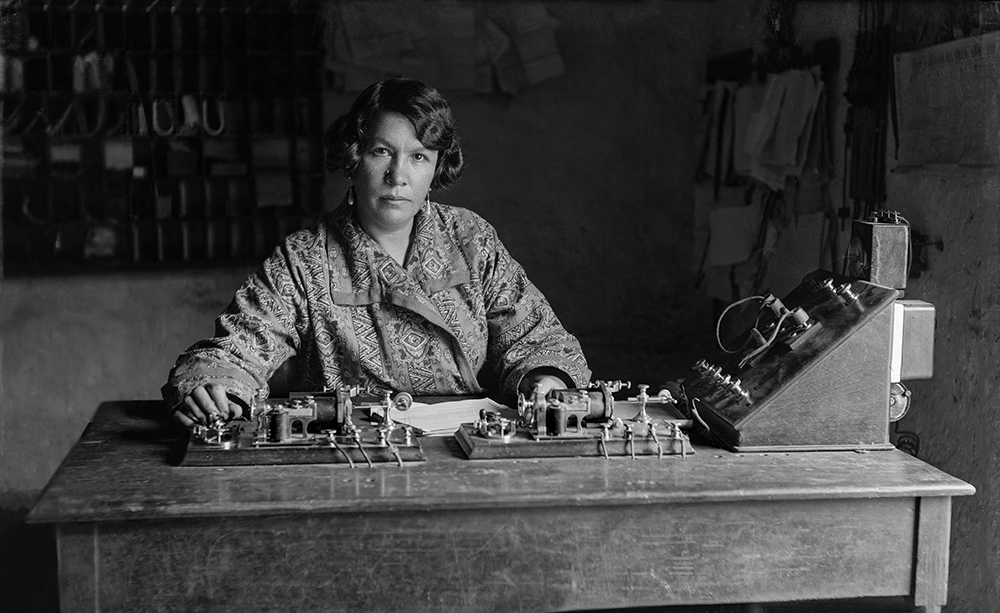
In the month of International Women’s Day, the exhibition ‘ELLAS. Women in Southern Andean Photography 1895-1945’ will be inaugurated at the Centro Cultural Inca Garcilaso of the Ministry of Foreign Affairs, an important collection of the Photo Archive Project, curated by Peter Yenne and Adelma Benavente, curators of the exhibition.
The exhibition, which is part of the activities for the 20th anniversary of the Centro Cultural Inca Garcilaso, includes nearly 100 images by notable photographers such as Max T. Vargas, Carlos and Miguel Vargas (disciples of Max T. Vargas), Emilio Díaz and Manuel Jesús Glave. Vargas, Carlos and Miguel Vargas (disciples of the former), Emilio Díaz and Manuel Jesús Glave; as well as artists from the Escuela Cusqueña: Abelino Ochoa, Crisanto Cabrera, César Meza, Enrique Macías, Horacio Ochoa, José Gabriel González, Juan Manuel Figueroa Aznar, Miguel Chani, Vidal González and Pablo Veramendi.
The representation of women has been a central theme of photography since its invention. Over the years, the nature of that image and the circumstances surrounding it have generated a lively debate among artists, academics and critics of popular culture. The exhibition seeks to promote dialogue by offering a new perspective on Peru’s photographic history.
The three generations of photographers presented in the exhibition have much in common: they were instructors and apprentices, friends and competitors and, as in the case of most ‘non-domestic’ occupations of the time, they were all men. They settled in Arequipa and Cusco; some worked in other cities as well. And, although none came from wealthy families, they all found in photography a way to rise in society and make their mark on the world. They captured everyday life in the Andean South, reflecting, in the enormous variety of their images, the multifaceted society of the region at the turn of the twentieth century, when the entrenched provincial order based on class, race and gender was shaken by indigenous uprisings, radical ideologies, economic pressures and urgent calls for political reform, racial justice and gender equality.
The photographs presented reveal the everyday and yet widely divergent roles of women of the time. At one extreme of this social imaginary, women appear as paradigms of beauty and virtue, dedicated to the care of their husbands and children, and bound for life to the home. This romanticised, masculine vision, which finds its maximum expression in the work of Max T. Vargas and his disciples, Carlos and Miguel Vargas, also appears in the portraits of other artists such as Miguel Chani.
In the 1920s, a marked change began. As the rigid, romantic stereotype of women crumbled, a broader range of roles and identities emerged that women began to claim in Andean society. Portraits increasingly became a collaborative process, characterized by a sense of trust and mutual complicity between the photographer and his subjects, allowing them to express even the most private aspects of themselves, including their sexuality.
Share

Cultural Center activities
Free entry
Folow us




SEGIB’s support is appreciated
Copyright © 2020 Centro Cultural Inca Garcilaso. All rights reserved | Legal notice | Privacy policy | Cookies policy