

Jr. Ucayali 391, Lima, Perú
204-2658
[email protected]
Archive
Glaciers: Beauty and Fragility
Photography
Glaciers: Beauty and Fragility
Photography
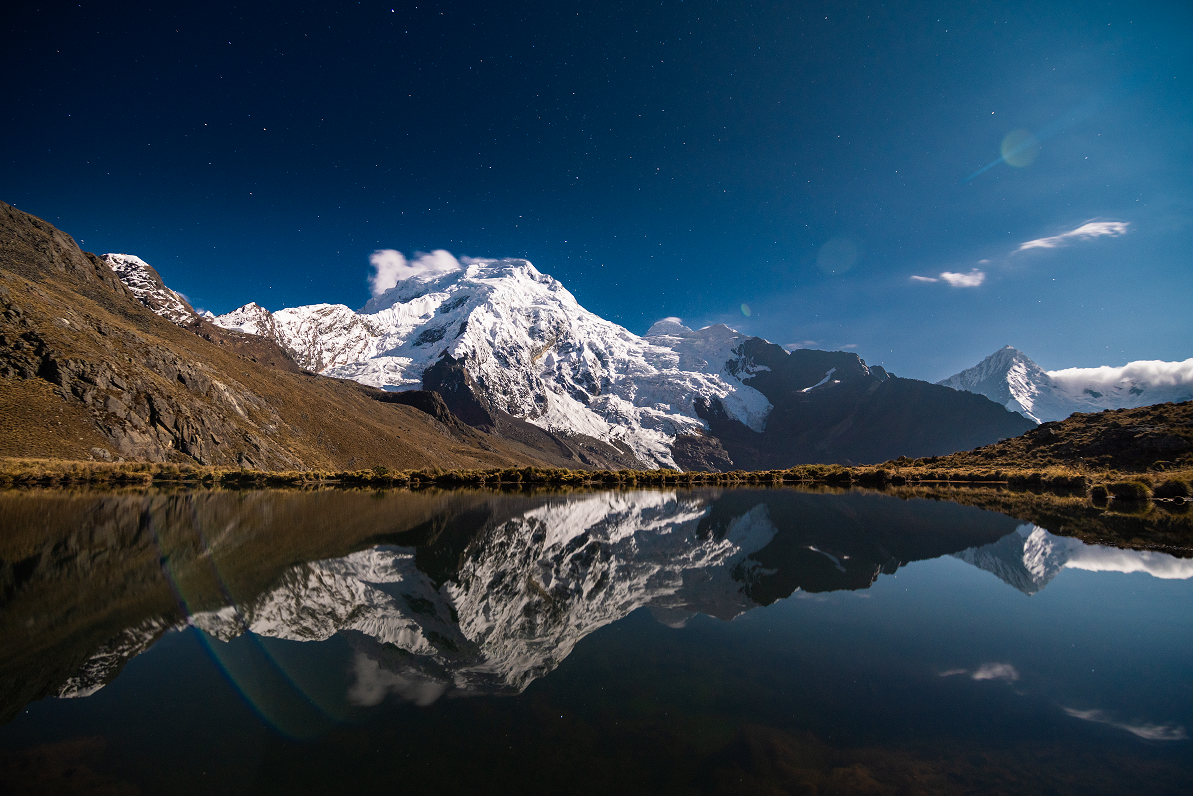
On Wednesday, March 26, the Centro Cultural Inca Garcilaso of the Ministry of Foreign Affairs will open to the public the evocative photography exhibition “Glaciers: Beauty and Fragility.”
The United Nations General Assembly has declared 2025 the “International Year of Glacier Conservation.” Therefore, the Ministries of Foreign Affairs and of the Environment, through the National Institute for Research on Glaciers and Mountain Ecosystems (INAIGEM), are jointly promoting the value and importance of Peru’s glaciers.
Glaciers are large masses of ice that accumulate in high-altitude areas, creating spectacular landscapes. Ice represents important reserves of fresh water that supply millions of people in our country, as well as hundreds of species of flora and fauna unique to the Andes. It even serves as a nesting site for the so-called “glacier finch”, a particular species of bird.
There are numerous emblematic glaciers such as Huaytapallana (Junín), Pariacaca (Lima and Junín) and Colque Punku (Cusco), which represent deities and are associated with traditional festivals of Andean communities.
Unfortunately, these vast masses of ice are under threat from climate change, losing area every year. Peru is home to 68 percent of the world’s tropical glaciers, but over the last 60 years, more than half of this area has been lost, severely impacting our water reserves. Every year, new lakes are created and grow, fueled by melting glaciers; in some cases, they can burst their banks, posing a latent danger to the surrounding communities.
As the title suggests, the photographs on display showcase the incomparable magnificence of glacial landscapes, but they also draw attention to their fragility.
Share

Cultural Center activities
Free entry
Folow us




SEGIB’s support is appreciated
Copyright © 2020 Centro Cultural Inca Garcilaso. All rights reserved | Legal notice | Privacy policy | Cookies policy